
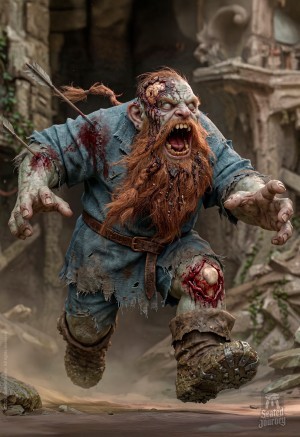
Dwarven Citizen Zombie
Characters · Mounts & Pets · Battlemaps & Tiles · Items · Sets · Tokens · Scenes
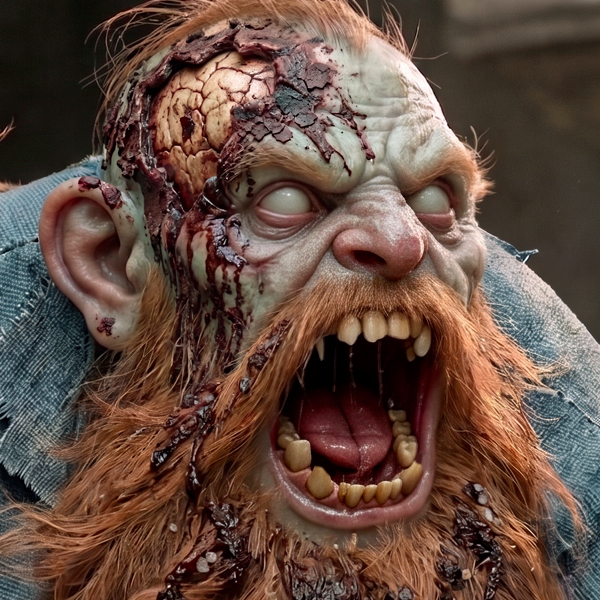
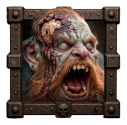
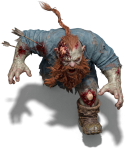
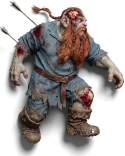
The Zombie, Yesterday's Dead
"You prepare a skeleton. You pick up a zombie."The zombie is the first of the dead anyone learns to raise, and the only one raised quickly. All it takes is a fresh body: the flesh still holds the bones together, the tendons do the work, and the necromancer only has to give the push. Nothing remains of who it was. No name, no hunger, no fear, not a single learned motion. If it still carries a sword, the blade stays sheathed: it comes at you with its hands out. It walks where it is sent, goes for whatever it is shown, and keeps going long after anyone has stopped watching. But what the flesh gives, the flesh takes back. Week by week it rots, loses its fingers, then the use of a leg. You don't keep a zombie, you use it up. A troop of zombies means people died recently, and someone was in a hurry.The Blow That Doesn't Hurt
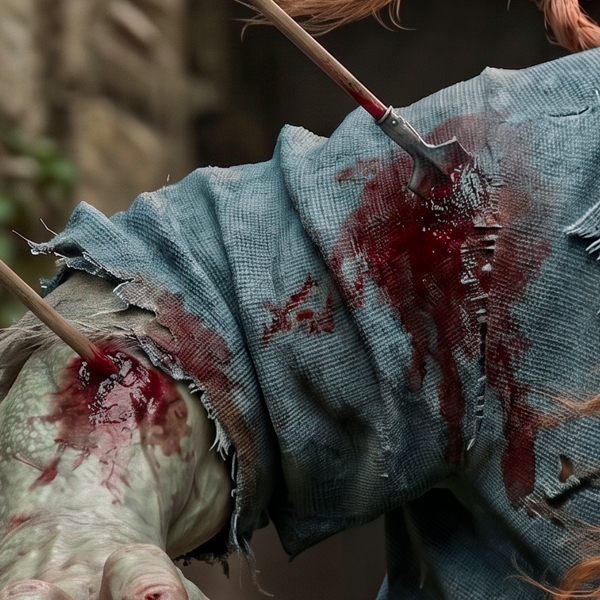
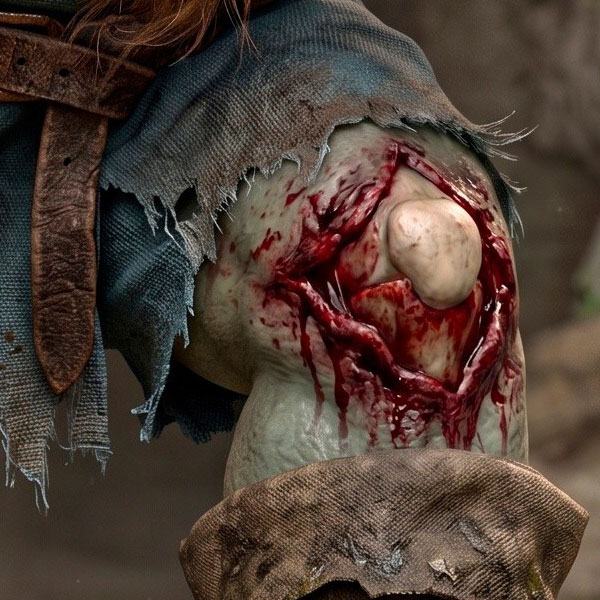
A warrior has little to fear from its blows. What shakes a fighter is everything else. The smell that clings to the throat. The sound of the blade going in, soft and wet, then the duller one of the flesh letting it go. On a fresh corpse the blood still runs, dark and slow, but it never spurts. And nothing on the face. Not a flinch, not a cry, not a step back. The eye sees the wound and waits for the pain that should follow. It never comes, and something deep in the skull refuses to accept it. That is when the second swing goes wide. To stop it, undo what keeps it moving: cut the hamstrings so it crawls, the shoulders so it can no longer grip.A dwarven zombie token depicting a stocky, reanimated dwarf with grey skin, a long red beard, tattered blue clothing, visible wounds, and an arrow lodged in its skull, lunging forward with arms outstretched against a ruined stone background. This undead creature token is suited for horror-themed or dark fantasy tabletop RPG encounters involving necromancy, dungeon delves, or undead hordes. Compatible with virtual tabletop platforms such as Roll20, Foundry VTT, and Fantasy Grounds, it can serve as an enemy token in encounters across systems like D&D 5e, Pathfinder, or OSR games.
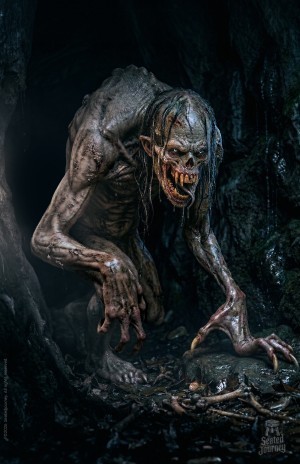




Part of Seated Journey's virtual tabletop toolkit — browse battlemaps, tokens and character art, or run live sessions with built-in broadcast tools.